
 Today is January 3. It’s the birthday of J. R. R. Tolkien (1892-1973). His shadow over the field of fantasy is arguably the longest of any author. Many writers have written in imitation of him (think early Terry Brooks) or in reguttal to him. (Michael Moorcock and George R. R. Martin).
Tolkien drew on northern European mythology in crafting his worlds. That topic alone is worth multiple dissertations, and I’m not going to try to dwell on it in any great scholoarly depth.
Instead, I want make some general observations.
There is a thread of tragedy that runs through Tolkien’s work. I’ve not read The Silmarillion or the novels that are based on certain sections, so I’m mostly going to limit myself to comments on The Hobbit and The Lord of the Rings. It’s been a while since I read TLotR. The last time I started reading it was on a work trip to Costa Rica. I read it on the plane down there, but while I was there my father-in-law passed away unexpectedly. I didn’t get much reading done on the return flight and had other things to deal with after I got back.
So most of what I’m going to say is based on memory that isn’t the freshest.
Specifically, doing the right thing comes at a cost. Bilbo refrains from killing Gollum in The Hobbit. This is a good thing. But there’s a saying that no good deed goes unpunished. Gollum becomes a major thorn in everyone’s side. He also becomes instrumental in destorying the One Ring.
 And then there are the things at the end. Frodo falling ill on the anniversary of being wounded. And Frodo leaving Middle Earth and telling Sam that while he was able to save the Shire, he won’t be able to enjoy it.
My understanding is that there is plenty more of the same type of thing in The Silmaraillion. I have it on audiobook. I may listen to it as I’m drivng back to work. I’ve wanted to read it for years, but the length has stopped me. I didn’t see where I could carve the time to read something that long wi tihout getting bored with it.
But I’ve listend to some long books while driving. The Silmarillion would go realtively quickly that way.
My point here, though, is that Tolkien’s worldview is one in which heroes, often ordinary people, rise to do extraordinary things at great personal costs. Some of this comes from his experiences in the Great War. Again, the subject of books and dissertations that are beyond the scope of this post.
Tolkien was a devout Catholic, and that comes through in his themes of sacrifice. In fact, Tolkien’s faith is one of the things his critics tend to focus on. I think it lends his work a greater depth and don’t have a problem with it.
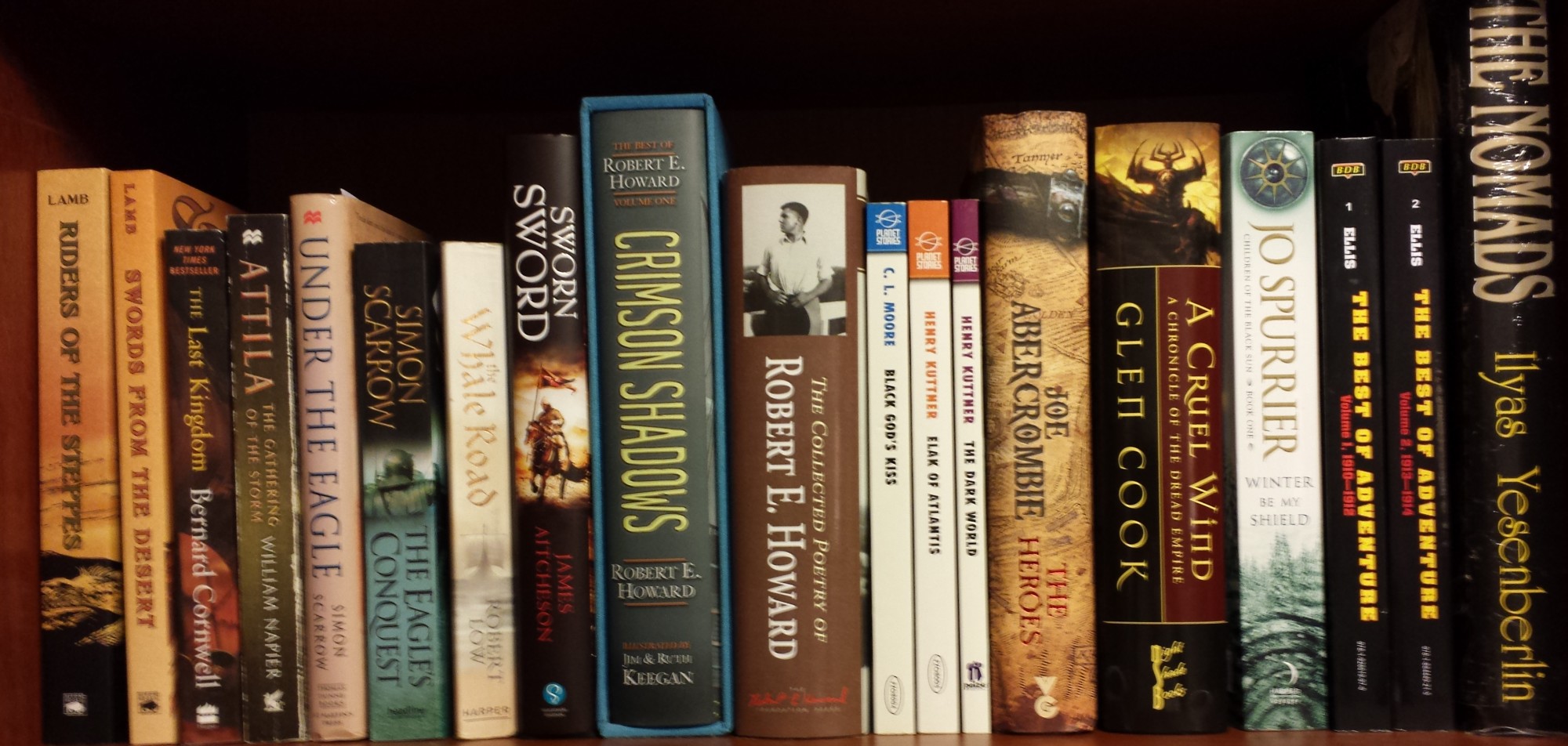
Getting back to The Northern Thing, there’s a fatalism in much of the northern European literature that appeals to me. Tolkien deals with it. Robert E. Howard knew it well. And Poul anderson took it to a whole new level in The Broken Sword.
I intend to spend some time in northern climes this year, if only in my reading.
The Silmarillion is a far greater work than LotR, and it is sad that you haven’t read it. You are missing something great and wonderful.
I’m going to try and work it in over the next few months. Probably audio rather than print.
Tolkien’s sense of tragedy seems to be overlooked by his critics who think it was all coziness in the Shire.
Agreed.